
Grade 3 Science Learning Quarter 1
Life Cycle of a Butterfly
Prepared by:
Kristine Joy C. De Vera
Leika Mae C. Cabarle
Glaiza Andrea D. Guariño
Life Cycle of a Butterfly
This lesson is all about the amazing transformation a butterfly goes through called its life cycle. Butterflies change in four stages: egg, larva, (caterpillar), pupa (chrysalis), and adult butterfly. Each stage is important and different. Grade 3 learners will learn to name, describe, and arrange these stages in the right order using pictures, videos, and fun-hands on activities.
Learning Objectives

About the Authors
about kristine
I am Kristine Joy C. De Vera, also taking up Bachelor of Elementary Education at Mabini Colleges, Inc. As a pre-service teacher, I love creating simple and interesting ways to help children learn better. Education, for me, is the key to every child's bright future. In this E-Portfolio, you will find my teaching materials for Grade 3 Science First Quarter. I hope these resources can help my future students enjoy learning.

About the Authors
about Leika
I am Leika Mae C. Cabarle, a Bachelor of Elementary Education student at Mabini Colleges, Inc. As a pre-service teacher, I am working hard to become a caring and creative educator one day. I believe every child deserves a fun and meaningful education. This E-Portfolio shows the lesson plans, activities, and materials I made for Grade 3 Science First Quarter. It helps me practice my skills and grow as a future teacher.

About the Authors
about Glaiza
I am Glaiza Andrea D. Guariño, a Bachelor of Elementary Education student at Mabini Colleges, Inc. As a future teacher, I am passionate about learning and creating meaningful experiences for young learners. This E-Portfolio presents the learning materials and activities I prepared for Grade 3 Science during the First Quarter, reflecting my creativity and growing teaching skills.
Acknowledgement
Completing this E-Portfolio would not have been possible without the kindness and support of many wonderful people. We are truly grateful to our instructor, Ma'am Jamila Macapundag, for your constant guidance, valuable insights, and patience throughout this journey. Thank you for sharing your knowledge and helping us grow as future educators your encouragement truly made this project meaningful for us. We also want to express our deepest gratitude to our families. Thank you for believing in us, cheering us on, and being our greatest inspiration. To our friends and classmates, thank you for the motivation and for making this learning journey such a memorable one. Above everything, we give all thanks and praise to God Almighty. Thank you for blessing us with wisdom, strength, and perseverance to finish what we started. To everyone who has been part of this work thank you for being part of our story.
Dedication
We proudly dedicate this work to our instructor, Ma'am Jamila Macapundag. Thank you for sharing your wisdom, for believing in our potential, and for shaping us as we take steps toward our teaching journey. Your guidance truly made a difference in this project. To our beloved families and friends thank you for your constant encouragement, patience, and belief in us. Your love keeps us going and inspires us to reach our dreams. And above all, this is especially dedicated to our Grade 3 learners. May this collection of lessons and activities spark your curiosity and help you discover the wonder of nature. We hope that through this portfolio, learning about the butterfly life cycle becomes an exciting adventure for you. Keep exploring and enjoying science!
Learning Artifacts
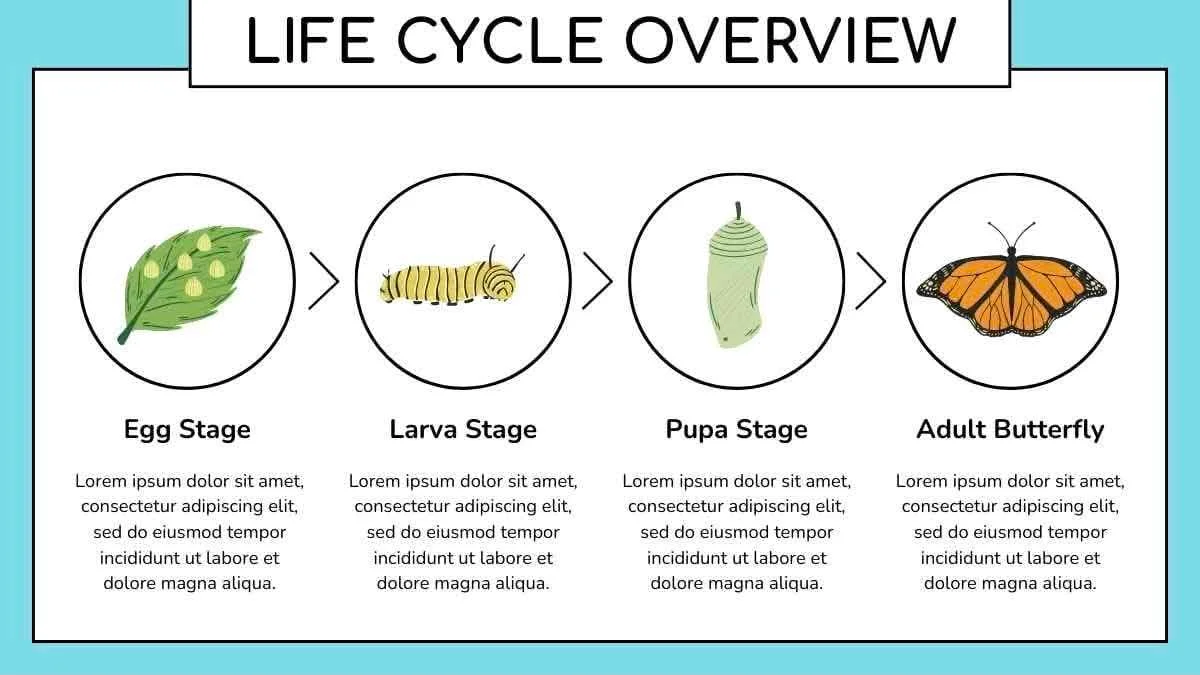
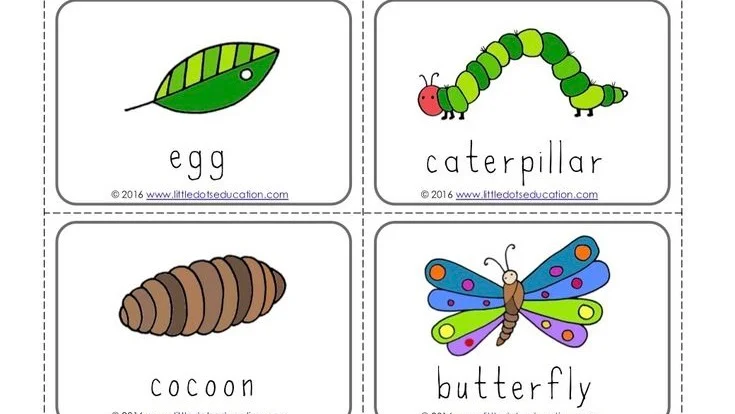
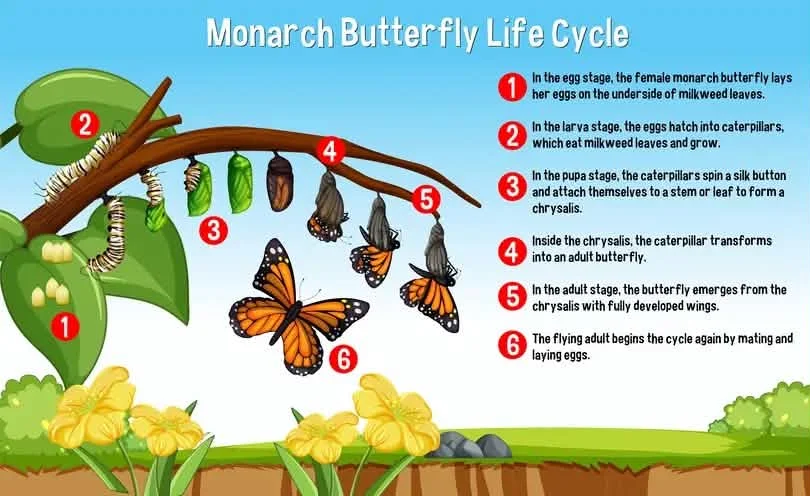
The butterfly undergoes four main stages in its life cycle: Egg, Larva, Pupa, and Adult Butterfly. Each stage has a different appearance and plays an important role in the development of a butterfly. The following pictures show the four stages of its life cycle.
Learning Materials & Activities
1. Egg Stage

The life cycle of a butterfly begins as an egg. The female butterfly lays its eggs on the leaves of plants. Inside the egg, a baby caterpillar begins to develop.
2. Larva Stage
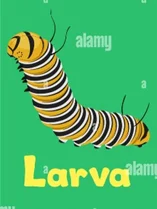
After the egg hatches, a caterpillar comes out. During this stage, it eats leaves to grow bigger and stronger. It also sheds its skin several times as it grows.
3. Pupa Stage
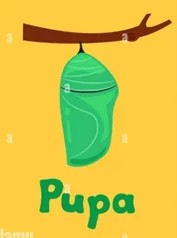
The caterpillar develops into a pupa, also called a chrysalis. During this stage, it stays inside its protective covering while its body changes into a butterfly.
4. Adult Butterfly
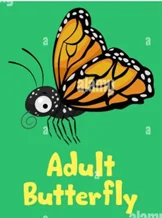
After the transformation is complete, an adult butterfly emerges from the chrysalis. It develops its wings, flies, and eventually reproduces to begin the life cycle again.
Learning Activities
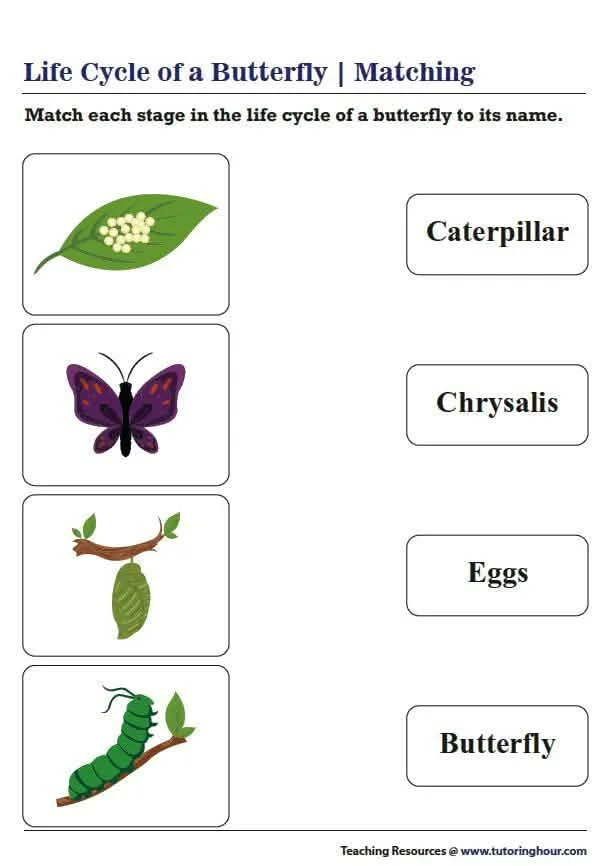
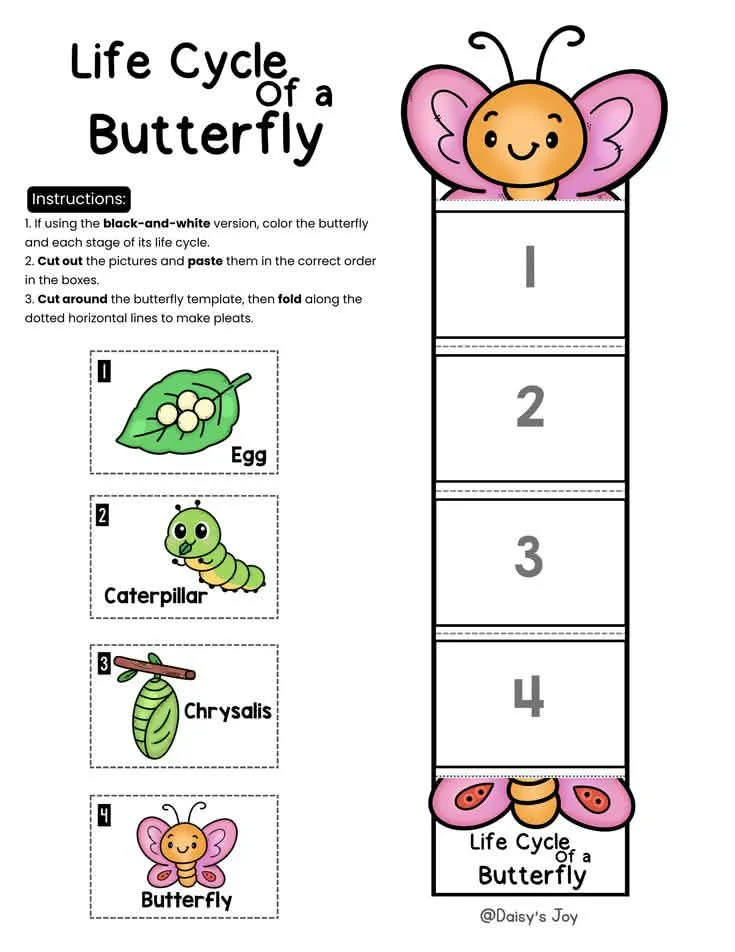
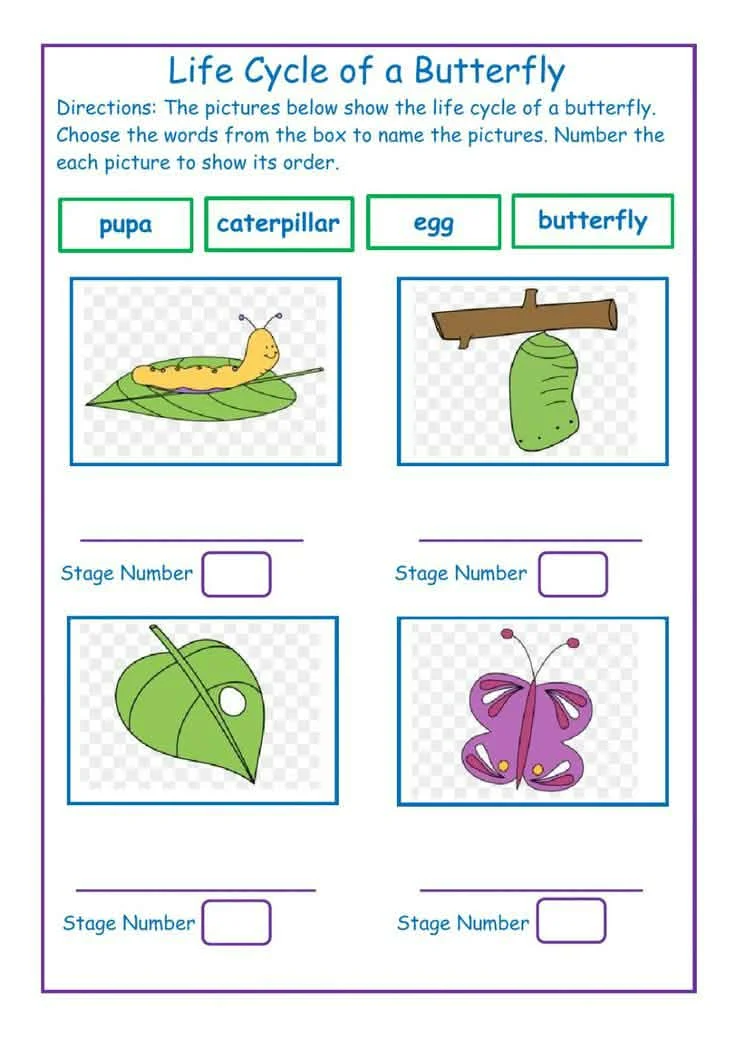
Reflection
During this activity, the first thing we did was search for different websites that we could use for our project. We explored several websites to find useful information and resources that would help us complete our task. At first, it was quite challenging because we were not sure which websites were appropriate and helpful for our activity. After gathering the needed resources, we started working on our output. One of the biggest challenges we experienced was editing. We had a hard time arranging the content, adjusting some parts, and making everything look organized and presentable. There were also times when we needed to repeat some steps because the results were not exactly what we expected. At first, we felt confused and pressured because we were still figuring out how to do things properly. Sometimes, we felt frustrated, especially when editing took longer than expected. However, we were also excited because we had the opportunity to learn something new and improve our skills. We were happy that we could share our ideas and help one another throughout the process. Despite the difficulties, we managed to continue working together and finish our task. One positive thing about this experience was that we learned how to explore different websites and use online resources to make our work better. We also experienced the importance of teamwork because sharing ideas and listening to each other’s suggestions helped us improve our output. On the other hand, the negative part was that we spent a lot of time searching for websites and editing our work. We sometimes struggled to decide what changes were needed and how to make our output more presentable. Through this experience, we realized that completing an activity like this requires patience, creativity, cooperation, and proper time management. We also learned that technology can be very helpful in completing school activities, but we must know how to use it effectively. As future teachers, this experience is meaningful because we can apply the skills we gained in creating instructional materials and learning activities for our future students. Looking back, we realized that we could have planned our work better, explored more websites earlier, and divided our tasks properly to save time. We also learned that experiencing difficulties is normal, especially when doing something unfamiliar. What matters is how we handle those challenges and learn from them. If we are given the same activity again, we will prepare everything ahead of time, manage our time wisely, and improve our editing skills. We will also continue communicating and cooperating with one another to make our work easier and more organized. This activity was a challenging but meaningful experience for the three of us. It taught us not only how to use technology and online resources but also how important teamwork, patience, and willingness to learn are in accomplishing a task.